
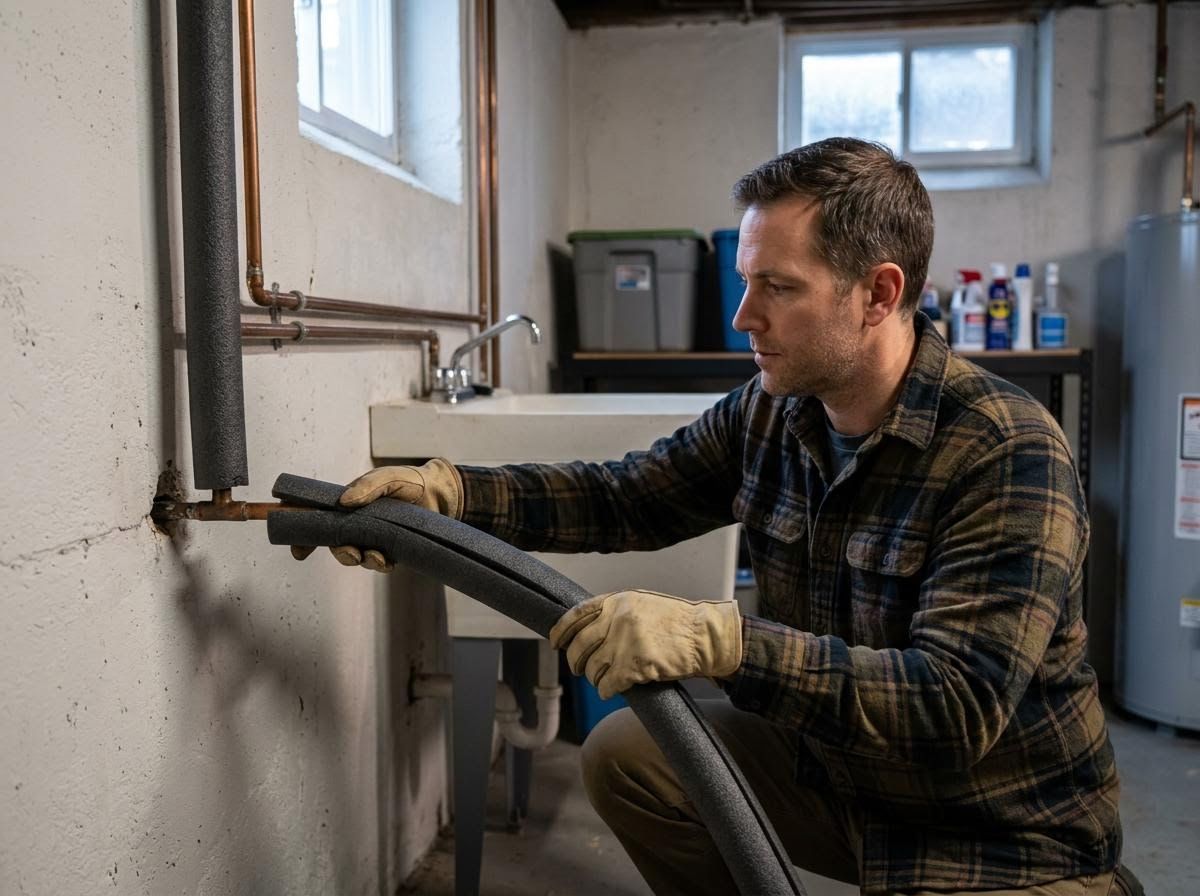
As winter's chill approaches, homeowners often face the unwelcome threat of frozen pipes. Beyond the inconvenience, a burst pipe can lead to significant water damage, costly repairs, and immense stress for your family. At Sutton & Son’s Plumbing LLC, we understand the importance of protecting your home, and that's why we've prepared this essential guide to help you prevent such a headache this season, ensuring your plumbing remains sound and your household comfortable.
Understanding the Risk: Why Pipes Freeze
Pipes freeze when the water inside them expands as it turns to ice, creating immense pressure that can cause the pipe to rupture. This isn't just about extreme cold; it's often about sustained low temperatures and poor insulation. Exposed pipes in unheated areas like crawl spaces, attics, basements, garages, or along exterior walls are particularly vulnerable. Even pipes running through cabinets can be at risk if the outside temperature is extreme and insulation is insufficient, or if the cabinet doors are kept closed, blocking warm air circulation. Identifying these at-risk areas in your home is the first step toward effective prevention.
Simple Steps for Prevention
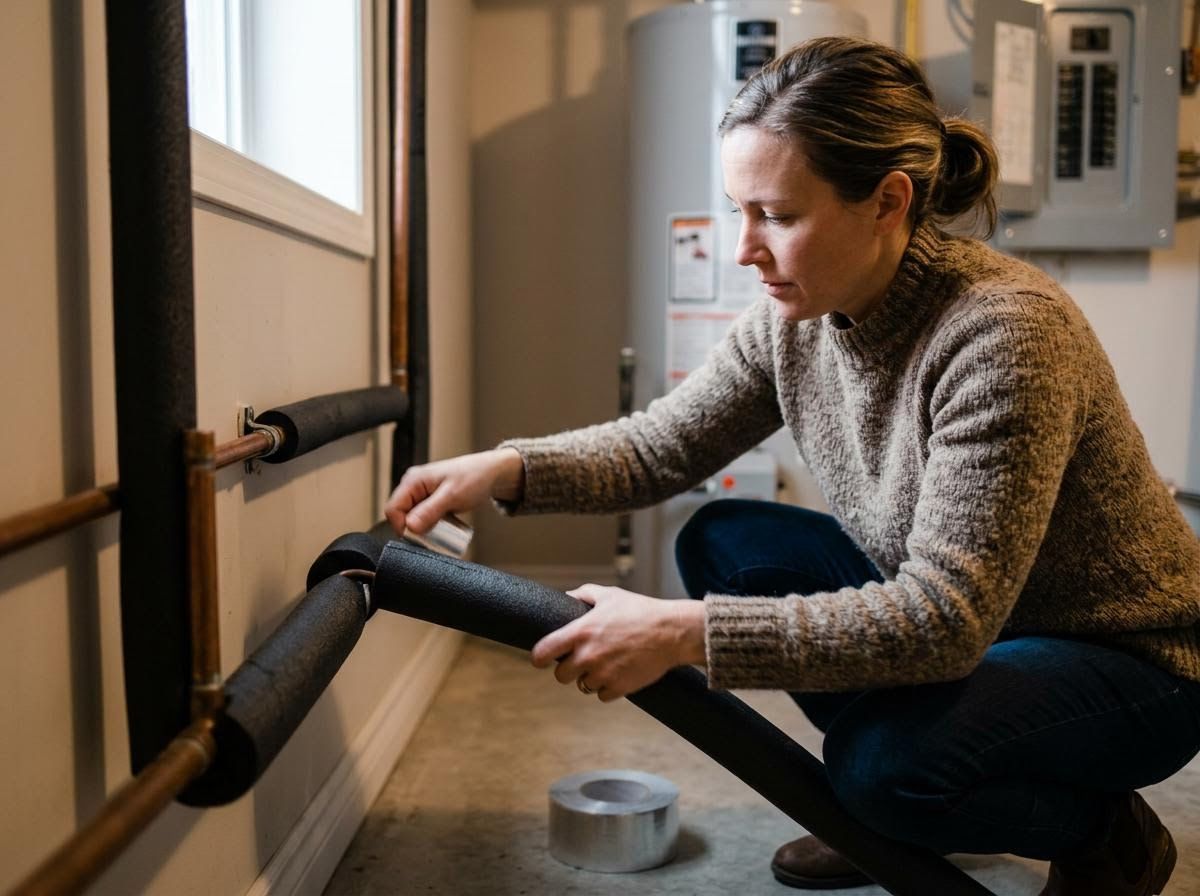
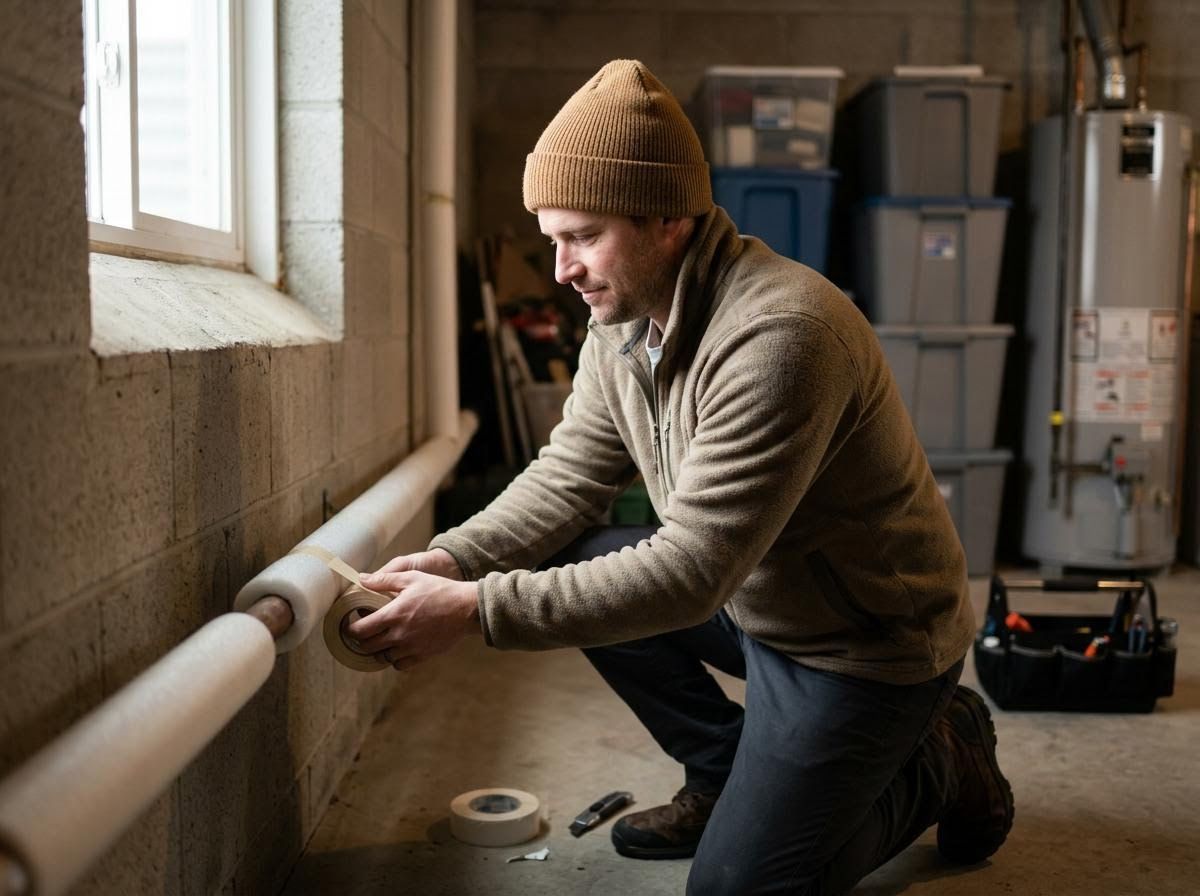
Fortunately, many preventative measures are straightforward and can be implemented with minimal effort. First, ensure adequate insulation for any pipes located in unheated areas. You can use pipe sleeves made from foam rubber or fiberglass, available at most hardware stores, or even wrap them with old towels or newspapers during a pinch. During cold snaps, allowing a trickle of water to run from faucets served by pipes that are susceptible to freezing can be highly effective – moving water is harder to freeze. Additionally, open cabinet doors under sinks on exterior walls to allow warmer air from your home to circulate around the pipes, providing much-needed protection.
Advanced Measures for Extreme Cold or Vacant Homes
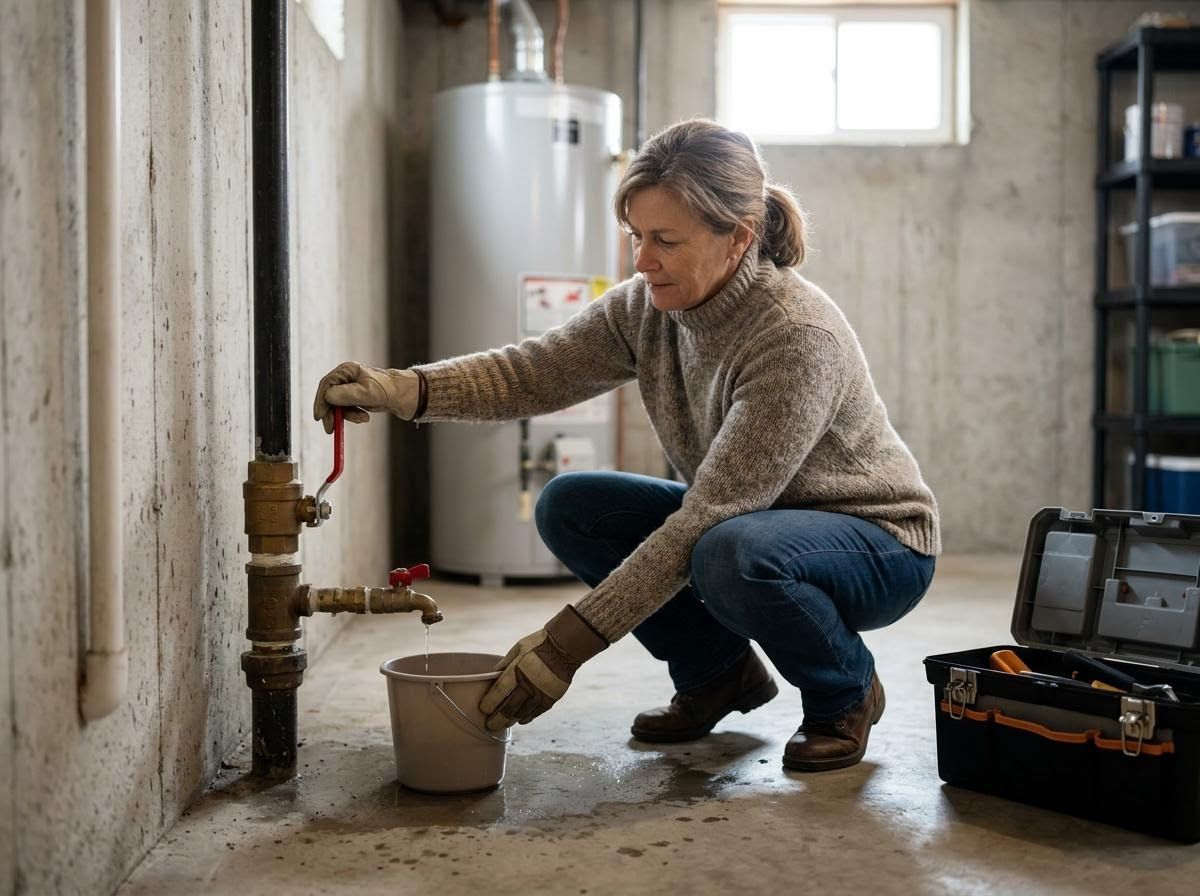
For extended periods of extreme cold or if you plan to leave your home vacant for a few days, more robust steps are advisable. Consider setting your thermostat no lower than 55°F (13°C), even if you're away, to maintain some warmth throughout the house and prevent temperatures in vulnerable areas from plummeting. For optimal protection, especially if you're leaving for an extended time or if a severe cold front is predicted, you might consider shutting off your main water supply and draining your pipes. This eliminates the water that could freeze and cause damage, offering ultimate peace of mind.
What to Do if You Suspect a Frozen Pipe
Despite your best efforts, sometimes a pipe may still freeze. Signs include little to no water coming from a faucet, or visible frost on an exposed pipe. If you suspect a frozen pipe, do not use an open flame or high-heat devices like blow torches, as this can cause the pipe to burst or create a severe fire hazard. Instead, try applying gentle heat with a hairdryer or a heating pad to the affected area. Start closer to the faucet and work your way back. If the pipe is inaccessible, or you're unsure of the cause or location, it’s always best to contact a professional to avoid further damage.
Protecting Your Home This Winter
Proactive pipe prevention is a simple yet crucial step in safeguarding your home and finances during the colder months. By diligently following these practical tips, you can significantly reduce the risk of frozen and burst pipes, ensuring peace of mind for your family and the integrity of your home's plumbing system. If you ever have questions or require assistance with your home's plumbing needs, the experienced and dependable team at Sutton & Son’s Plumbing LLC is always here to provide honest, customer-focused service. Discover more valuable insights into maintaining a healthy plumbing system by exploring the helpful resources on our website.